

In 2026, multiple countries around the world strengthened vehicle safety control. Europe, South America, and Southeast Asia successively introduced mandatory motor vehicle positioning regulations, and export orders for international vehicle GPS/BeiDou positioning terminals supporting local 4G frequency bands grew substantially, bringing new foreign trade opportunities for domestic vehicle hardware manufacturers.
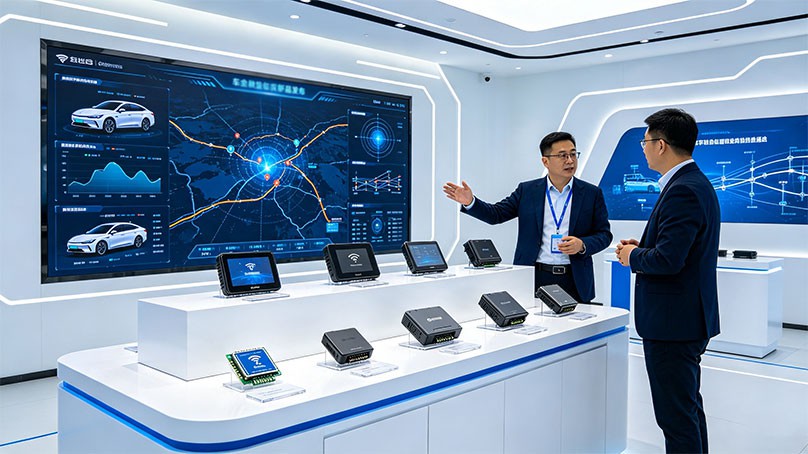
Communication frequency bands differ across regions: the mainstream European 4G frequency bands, the South American 4+2G dual-mode, and the Southeast Asian LTE frequency bands are not interchangeable, and single-band devices cannot cover overseas markets. To address this pain point, leading industry manufacturers have launched full international series of positioning devices, including the GT08, GT09G, B12 dual-frequency BeiDou and other models, compatible with mainstream global communication frequency bands. Some models support both pure BeiDou single-mode and GPS+BeiDou dual-mode positioning solutions, meeting the compliance requirements of different countries.
Export models continue the mature domestic hardware architecture, featuring core functions such as electronic fences, ACC detection, remote fuel/power cutoff, and anti-detection sleep. The bodies support wiring specifications from two-wire to eight-wire, suitable for motorcycles, private cars, freight trucks, and engineering vehicles. Meanwhile, manufacturers provide supporting overseas server deployment, multilingual management platforms, and private protocol customization services, solving overseas customers' software integration difficulties.
Cross-border logistics, overseas vehicle leasing, and overseas construction machinery companies are the core purchasing groups. Overseas customers no longer only purchase bare devices, but prefer integrated hardware + software platform customization services. Industry trends show that competition in the foreign trade vehicle positioning market will shift from single-hardware price competition to comprehensive strength in frequency band adaptation, multilingual software, and localized technical services, and domestic manufacturers with complete product lines and independent software-hardware R&D capabilities continue to expand their export advantages.